

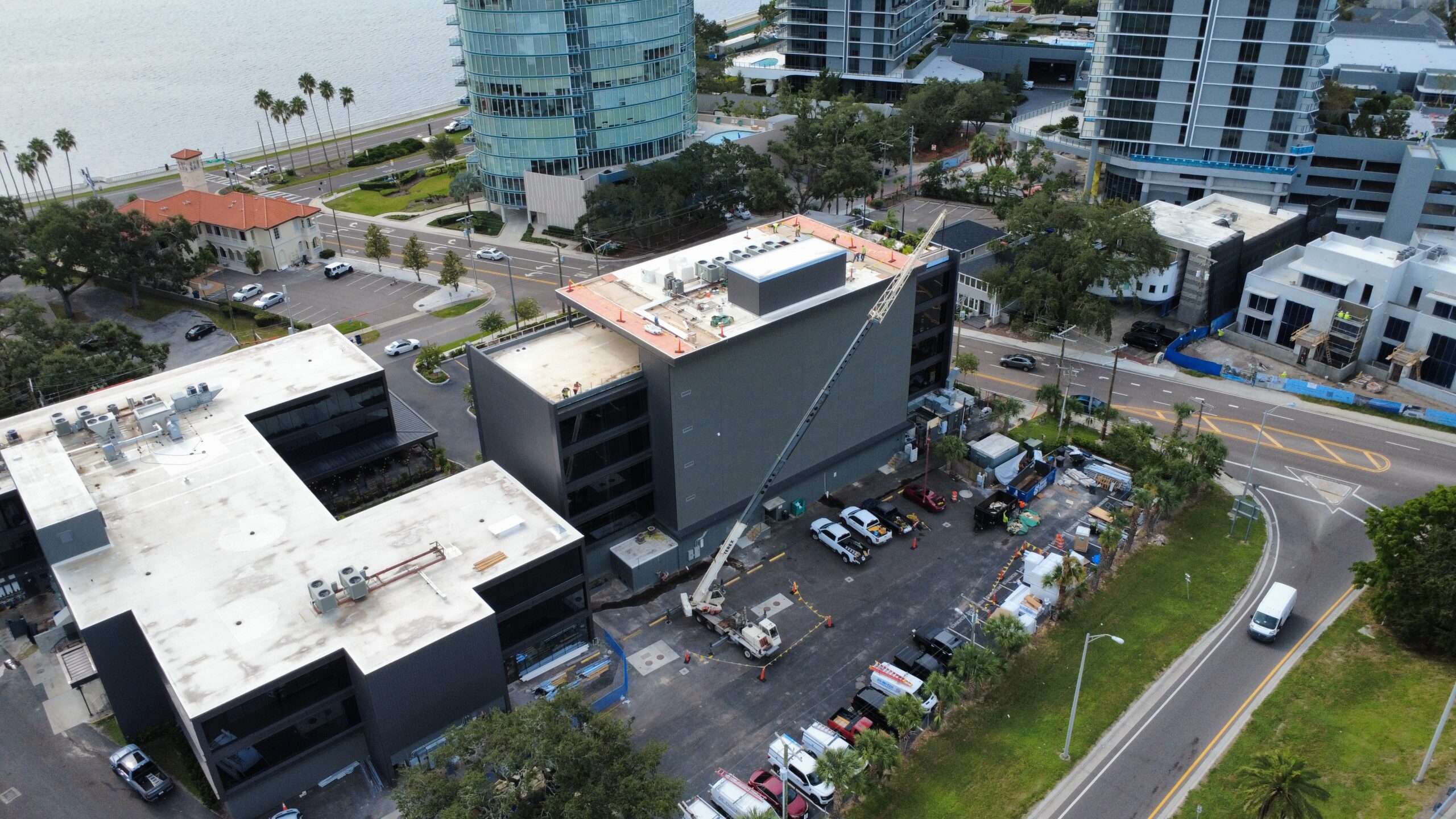
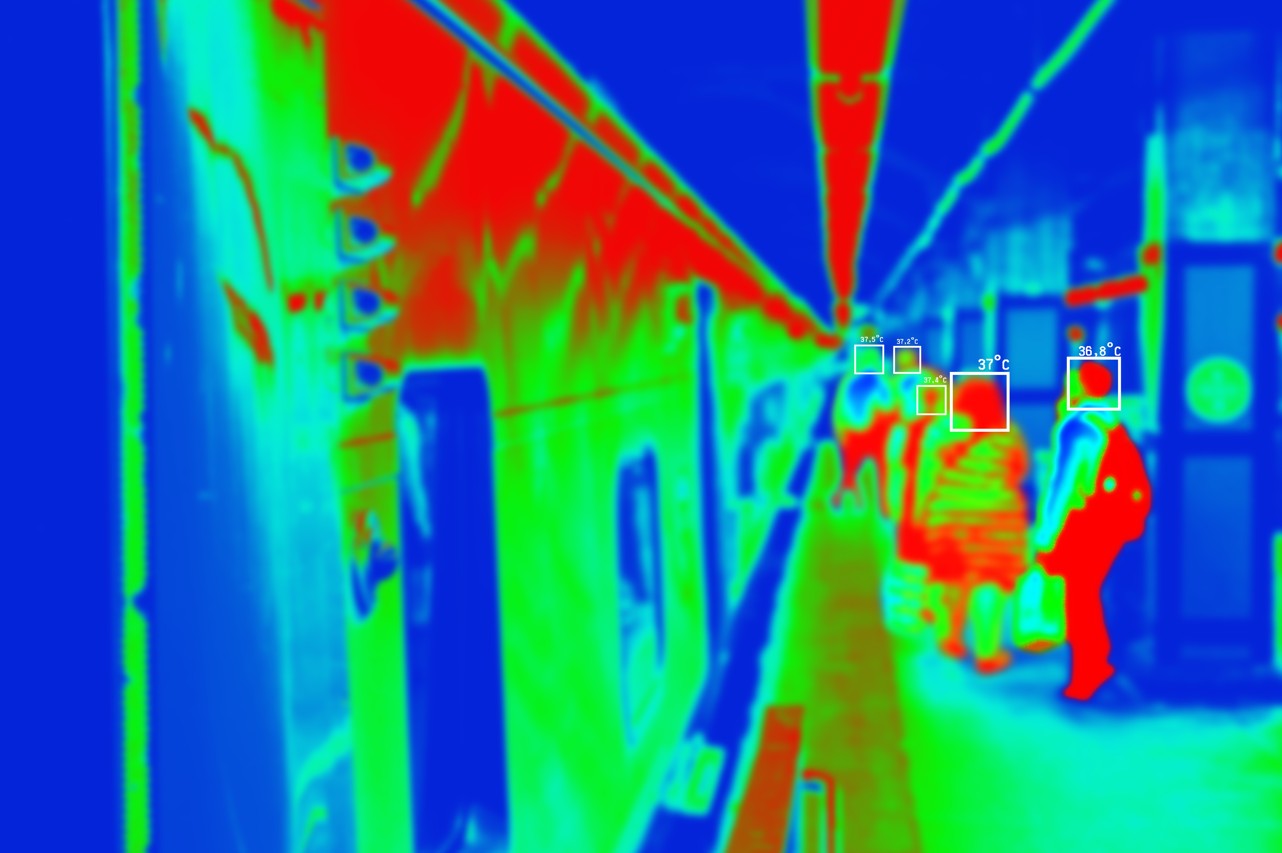
Infrared roof moisture scanning is a non-destructive diagnostic method used to identify trapped moisture within commercial roofing systems. Using high-resolution thermal imaging cameras, inspectors can detect temperature differentials across the roof surface that indicate wet insulation or moisture-laden materials beneath the membrane.
How Infrared Roof Scanning Works
During daylight hours, roofing materials absorb heat from the sun. After sunset, dry insulation cools quickly, while wet insulation retains heat longer due to water’s higher thermal mass. Infrared cameras capture these temperature variations, allowing inspectors to identify moisture patterns invisible to the naked eye.
These thermal anomalies often appear long before interior leaks, staining, or structural damage occurs. This makes infrared scanning one of the most powerful preventative tools available for commercial roof management.
Why Hidden Moisture Is a Serious Problem
Undetected moisture can:
- Degrade insulation R-value
- Corrode fasteners and metal decking
- Cause membrane delamination
- Lead to mold growth and indoor air quality concerns
- Shorten roof life dramatically
By the time leaks are visible inside a building, moisture is often widespread and repairs are far more expensive.
When Infrared Scanning Is Most Effective
Infrared scans are typically performed:
- After sunset following a sunny day
- During due diligence inspections
- Prior to roof recover or coating systems
- After major storm events
- As part of annual maintenance programs
Proper conditions are critical for accurate results, which is why professional execution matters.
ElectroTherm Scans delivers detailed infrared reports with annotated images, moisture maps, and clear recommendations—allowing clients to act before damage escalates.
